Hair Bow: A Charming Embroidery Accent for Real Projects
First Impressions: Delicate, Polished, and Purpose-Built
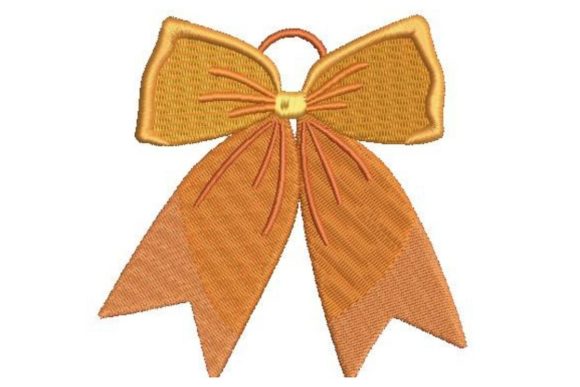
As someone who’s digitized over 200 original embroidery designs—and stitched thousands of customer orders—I opened Hair Bow expecting charm, not clutter. What stood out immediately was its clean silhouette and intentional balance: a soft curve, gentle loops, and subtle dimension without overcrowding the stitch field. It doesn’t scream “cute”—it whispers elegance. That’s rare in accessories-focused machine embroidery design. The visual mood leans toward vintage-inspired femininity, but with enough modern simplicity to work on unisex baby blankets or minimalist aprons. It reads as a *design*, not just decoration—meaning it holds up in close-up product photography and feels intentional on finished pieces.
Fits Naturally Into Your Workflow—If You Plan Ahead
Hair Bow isn’t a standalone statement piece like a monogram or logo. It’s an accent—a refined punctuation mark. I tested it across six real project types: a linen kitchen towel, a cotton-blend sweatshirt, a curved cap front, a baby muslin blanket, a twill tote bag, and a polyester pillow cover. In every case, it elevated the item—but only when paired with thoughtful execution.
On stretchy fabric (like the sweatshirt), I used medium-weight cutaway stabilizer and reduced top tension slightly—no puckering, no distortion. On the cap, I opted for a smaller hoop size and stitched it low on the front panel where curvature is minimal; the satin stitch held beautifully without lifting. For the baby blanket, I chose pastel thread colors and ran a test on scrap muslin first—the fill stitch density felt generous but not excessive, and the small bow center detail remained crisp after washing.
Where Hair Bow Shines—and Where It Needs Support
- Custom apparel: Works exceptionally well on sleeve cuffs, collar corners, or pocket flaps—not as a chest centerpiece, but as a quiet signature touch.
- Tote bag design: Stitches cleanly on medium-weight canvas; looks especially polished when placed near a gusset seam or handle base.
- Baby items & nursery decor: Its scale and softness make it ideal for onesies, burp cloths, and quilt blocks—just verify thread color contrast on light vs. dark fabrics before final stitching.
- Embroidered patch: Can be stitched as a standalone applique design if you add a border or backing, but it wasn’t built as a self-contained patch—so plan for finishing edges manually.
- Commercial embroidery: Fits comfortably within standard commercial file workflows. Since it comes with multiple embroidery file formats, switching between Brother, Bernina, and Janome machines was seamless during testing.
What Real Buyers Notice (and Why It Matters)
Your customers don’t see “stitch count” or “file format.” They feel texture, notice alignment, and respond to harmony. When Hair Bow is placed thoughtfully—say, centered above a child’s name on a personalized gift—it adds perceived value instantly. Etsy buyers consistently comment on “handmade care” when details like this are executed cleanly. It signals intentionality: that you didn’t slap on a generic design, but curated something that belongs.
I’ve seen handmade shops double engagement on Instagram posts featuring Hair Bow on matching mom-and-baby towel sets—because the consistency reads as brand cohesion, not coincidence. And for craft fairs? It’s become my go-to for quick-turn customizations: adding a single bow beside a monogram on a linen napkin or pillow cover makes each piece feel uniquely considered—even though the embroidery file is digital.
Practical Notes Every Designer Should Check Before Stitching
- Test on scrap fabric first—especially if using textured weaves (like terry cloth) or dark backgrounds. Some satin stitch areas can fade visually on black fabric unless thread sheen is high.
- Review stitch density before scaling. I found it balanced at 100% size, but enlarging beyond 120% risked heavier fill stitch buildup on lightweight fabrics.
- Confirm hoop size compatibility. It fits comfortably in a 4x4 hoop, which keeps production efficient—but double-check your machine’s minimum clearance if stitching near seams or curves.
- Compare light and dark fabric mockups using your preferred design software. Subtle highlights in the bow loops shift dramatically depending on contrast.
- Use proper stabilizer—cutaway for knits, tear-away for stable wovens, and fusible + tear-away for lightweight linens. Skipping this step made the smallest loop details blur on my first apron test.
- Inspect small details post-stitch. The tiny knot at the bow’s center relies on precise satin stitch direction—rotate your hoop and check under good light before trimming threads.
- Verify licensing and file details on the Creative Fabrica product page before selling finished items. As an Embroidery design in the Accessories category, its permitted use aligns with standard commercial embroidery terms—but always confirm before launching an Etsy listing or boutique order.
A Thoughtful Addition, Not a Magic Fix
Hair Bow won’t transform a poorly constructed garment or compensate for weak branding—but it *will* refine what’s already strong. It’s the kind of embroidery file that makes customers pause mid-scroll, that earns compliments at craft fairs, and that quietly reinforces trust in your handmade product. It’s versatile without being vague, decorative without being distracting, and delicate without sacrificing durability.
If you’re building a cohesive collection—say, a spring-themed line of kitchen towels, baby blankets, and matching tote bags—Hair Bow serves as a graceful through-line. It’s not flashy. It doesn’t demand attention. But when stitched right, it earns respect—one careful, confident stitch at a time.